Skydiving and turbulence, for addiction research
For a Canadian mental health research institute, we built two guided VR experiences, a skydive and a turbulent flight, used in research with people dealing with addiction. While participants are in VR, their heart rate, breathing and head movement are measured, and researchers watch it all live.
- CLIENT
- A Canadian mental health research institute
- INDUSTRY
- Healthcare and research
- WHAT WE BUILT
- 2 VR experiences, body tracking and a researcher app
- WHERE IT RUNS
- Meta Quest 2 with sensory pods, in the lab

- 2 guided experiencesA skydive and a turbulent flight
- Live body signalsHeart rate, breathing and head movement
- MultisensoryReal wind, heat, cold and scent
- Researcher appOne desktop app to follow every session
Studying stress needs real moments, made safe
The institute researches how people dealing with addiction respond to intense, stressful situations. Recreating those moments in a lab, safely and the same way every time, is very hard.
Questionnaires only capture what people remember afterwards. Researchers needed to see how the body actually reacts, second by second.
Every session had to be identical, so results could be compared fairly between participants.
Intense experiences, measured to the second
We built two guided VR experiences, connected them to body sensors and sensory pods, and gave researchers a live view of everything.
- 01
A skydive and a stormy flight
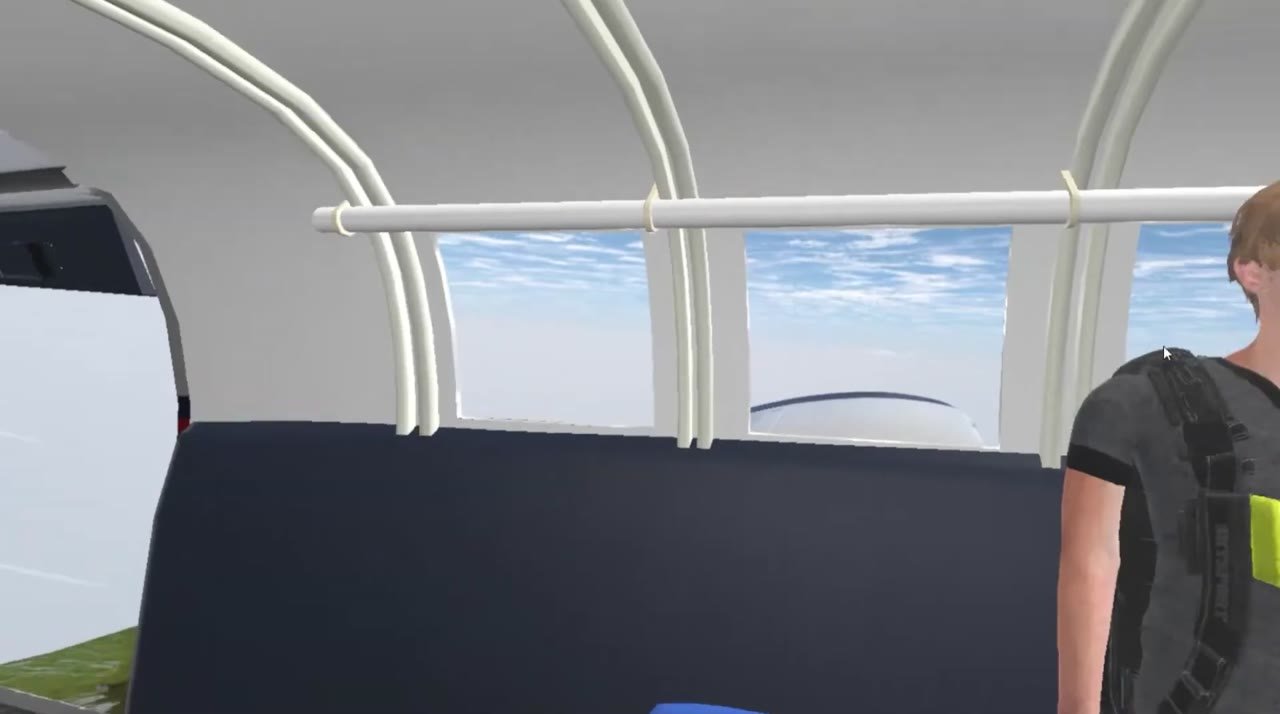
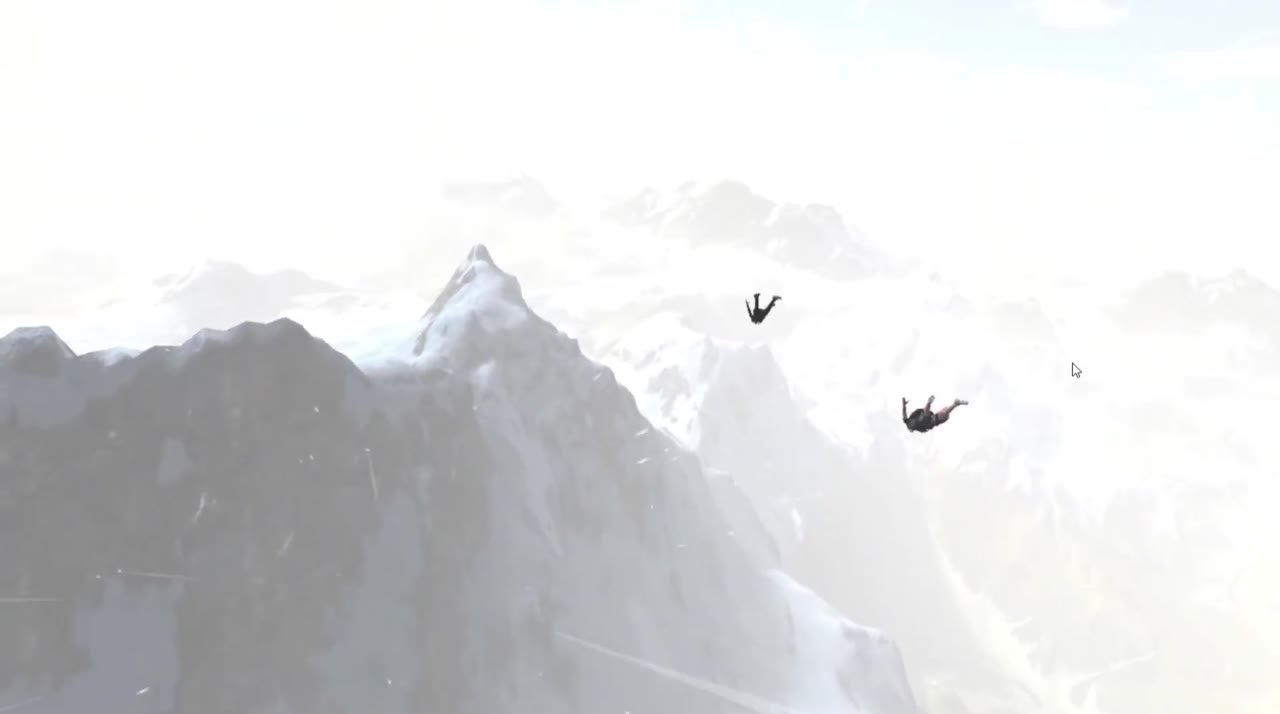
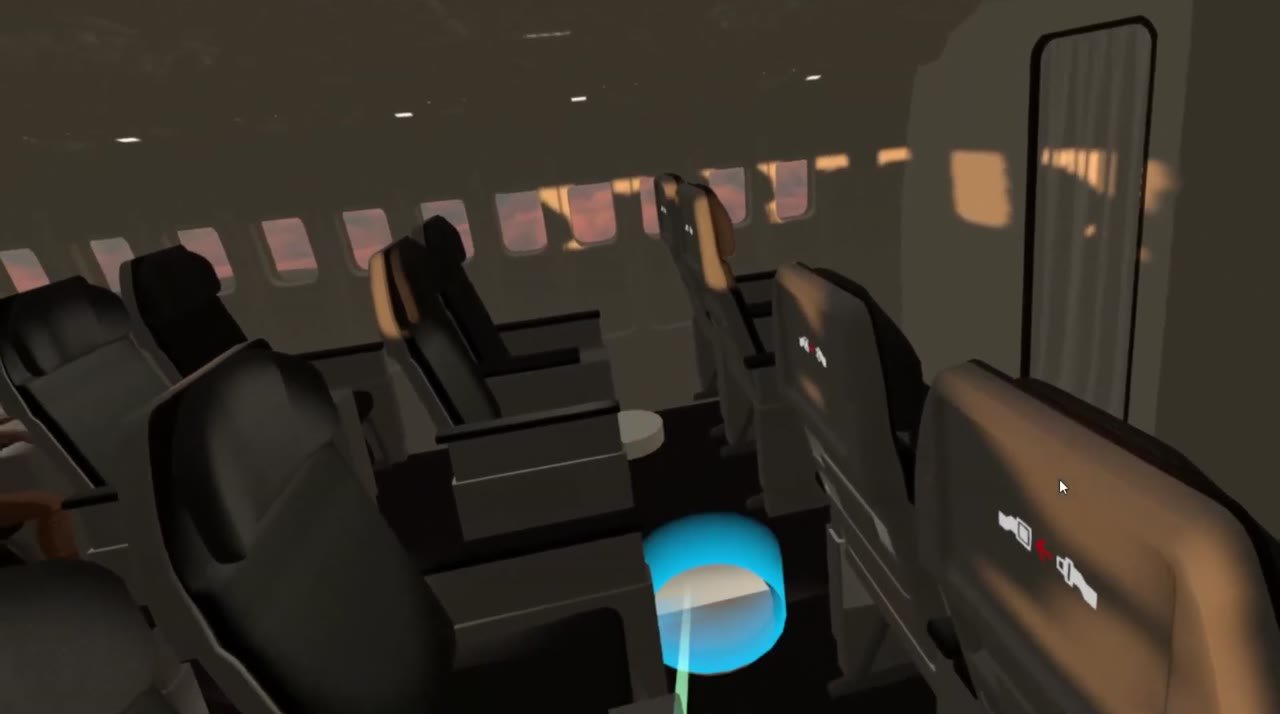
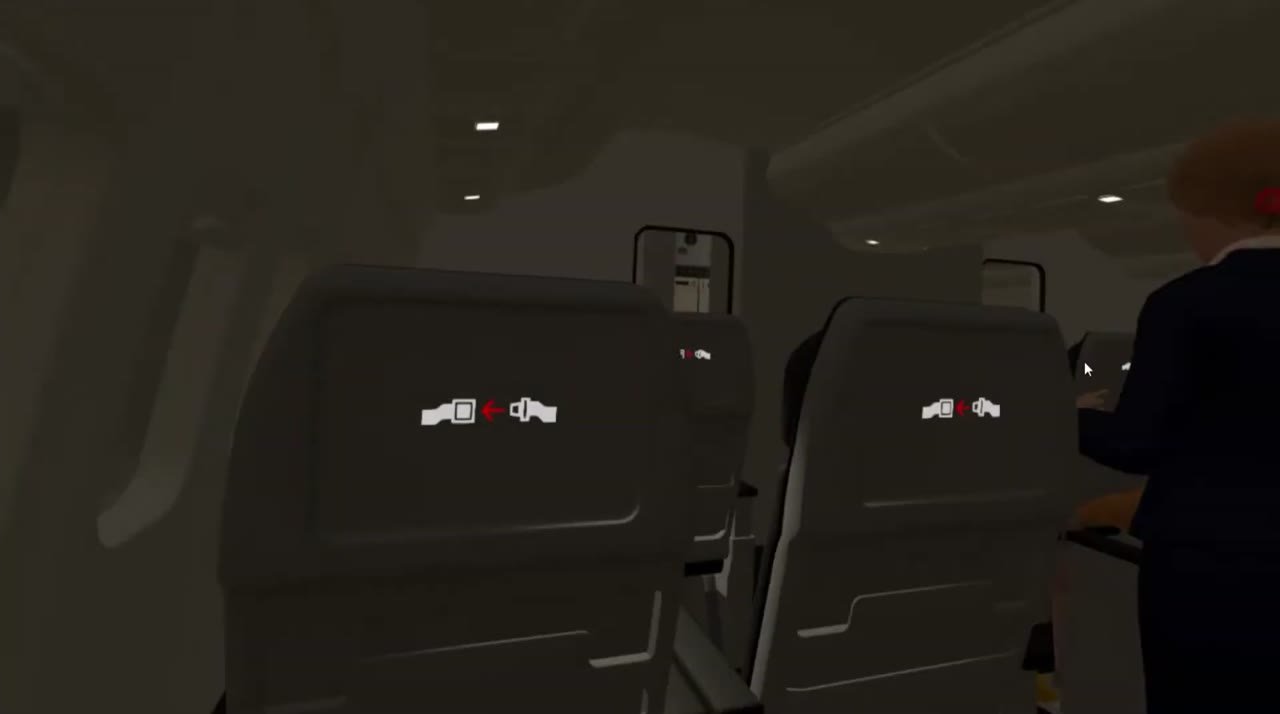
Participants either jump from a plane and parachute down over mountains, or sit through a long flight that turns turbulent. Both feel intense, but are completely safe.
THE CHALLENGEThe experiences had to feel real enough to trigger a genuine response, without overwhelming vulnerable participants.HOW WE SOLVED ITWe worked closely with the researchers on pacing and intensity, building each moment up gradually. - 02
A calm voice guides every step
A voice over guides participants through each experience, so every session follows exactly the same script.
THE CHALLENGEResearch needs every participant to have the same experience, in the same order and timing.HOW WE SOLVED ITWe timed every scene to the voice over, so sessions are identical and results can be compared. - 03
Feel the wind, not just see it
Sensory pods add wind, heat, cold and scent at the right moments, from the open plane door to the descent.
THE CHALLENGEPhysical effects that arrive late break the illusion, and the data.HOW WE SOLVED ITWe synced each effect to the experience timeline, so it lands at exactly the right moment. - 04
The body tells the story
Heart rate, breathing and head movement are recorded throughout. A desktop app lets researchers watch these signals live while the session runs.
THE CHALLENGERecording body signals without breaking immersion, and matching them to what the participant was seeing.HOW WE SOLVED ITWe built the sensors into the setup and time stamped every reading against the experience, so researchers see exactly what caused each reaction.
A research tool, not just an experience
The institute uses the system in its addiction research to observe how participants react, moment by moment, in a safe and repeatable setting.
- Researchers see live body signals during every session
- Identical, guided sessions make results comparable
- The same platform can host new scenarios as the research grows
Inside the project
What it is built with
Running research or training that needs real reactions?
We build safe, repeatable VR with measurement built in. Start with a 2 to 3 week Prototype Sprint, or book a call.